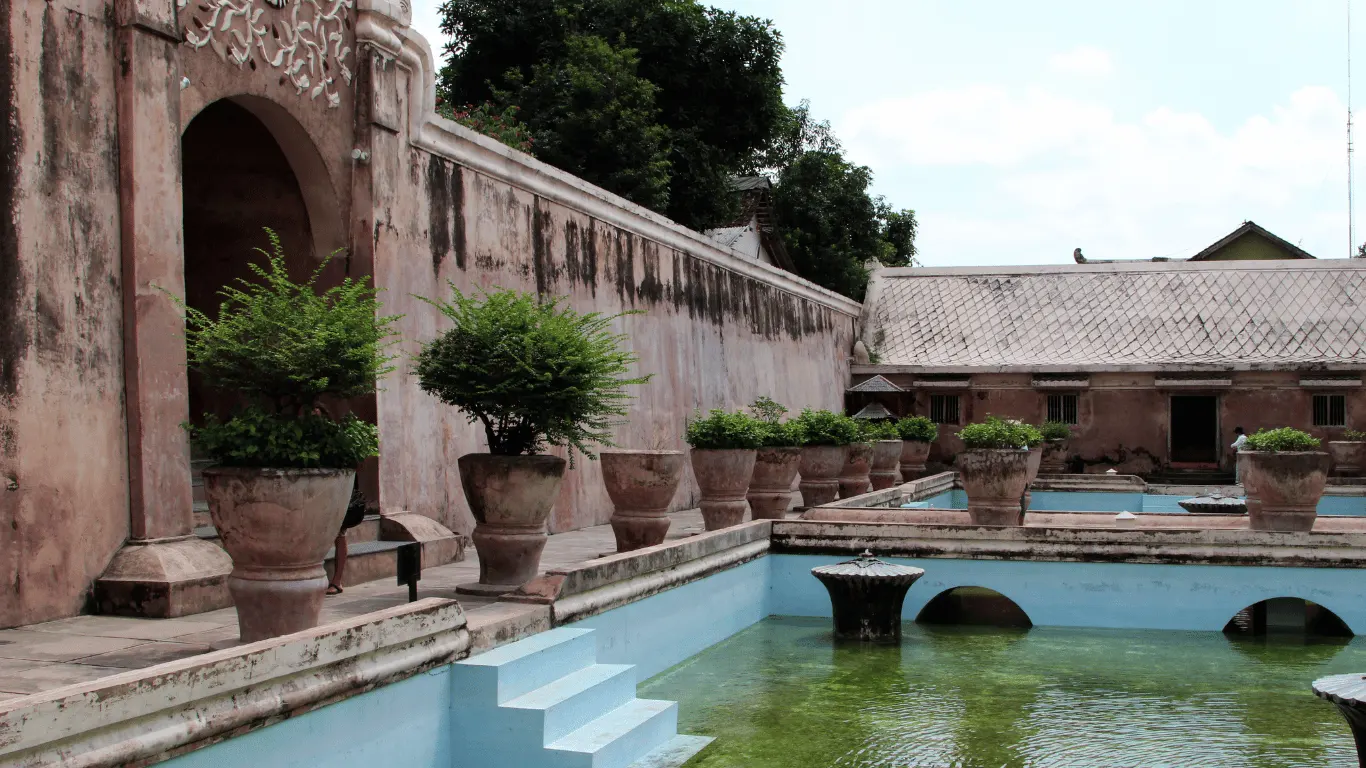
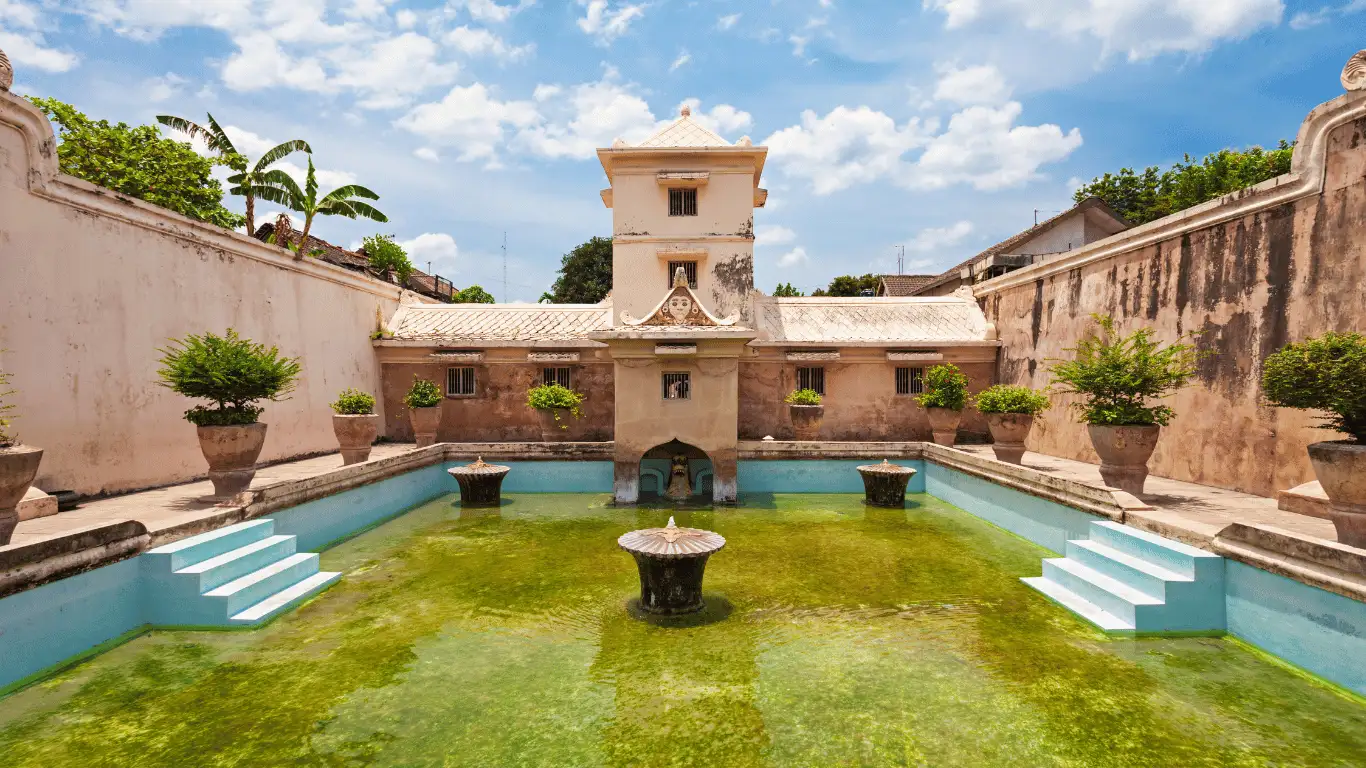
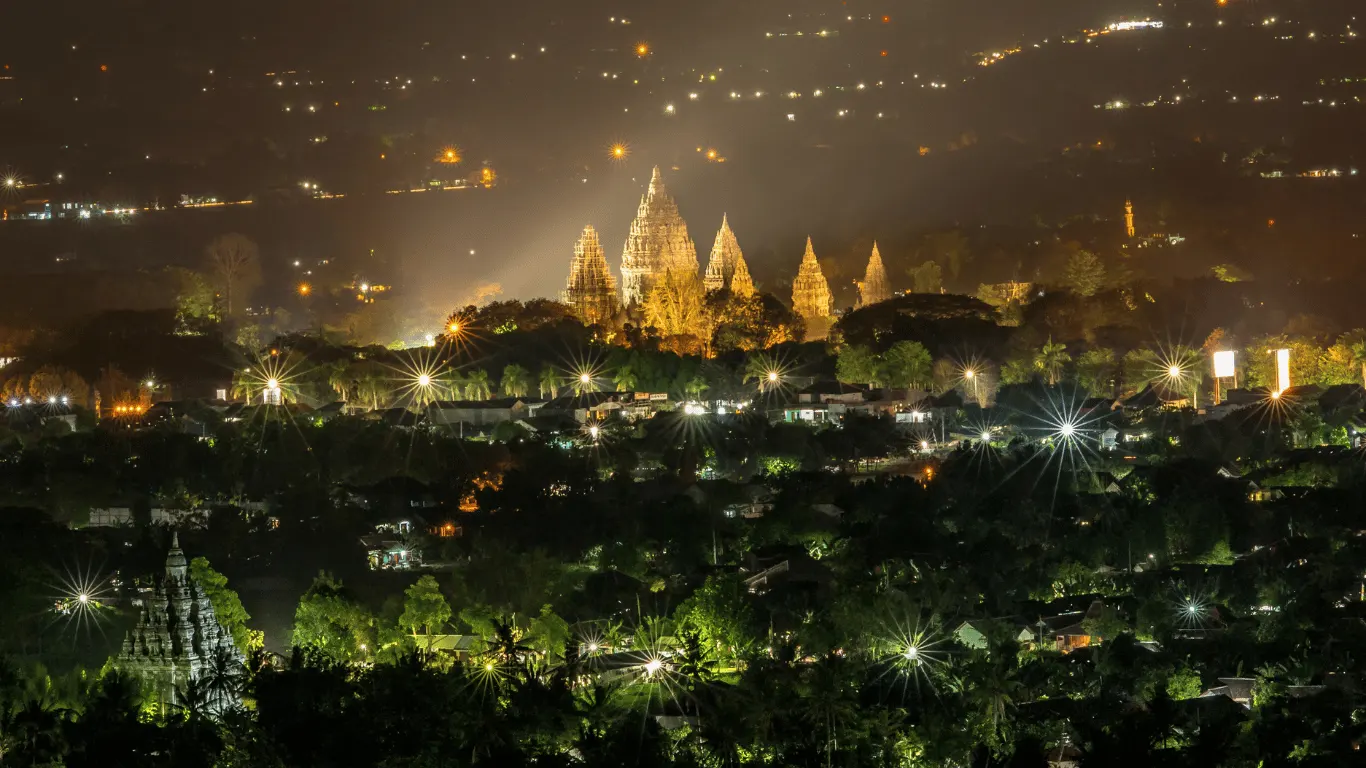
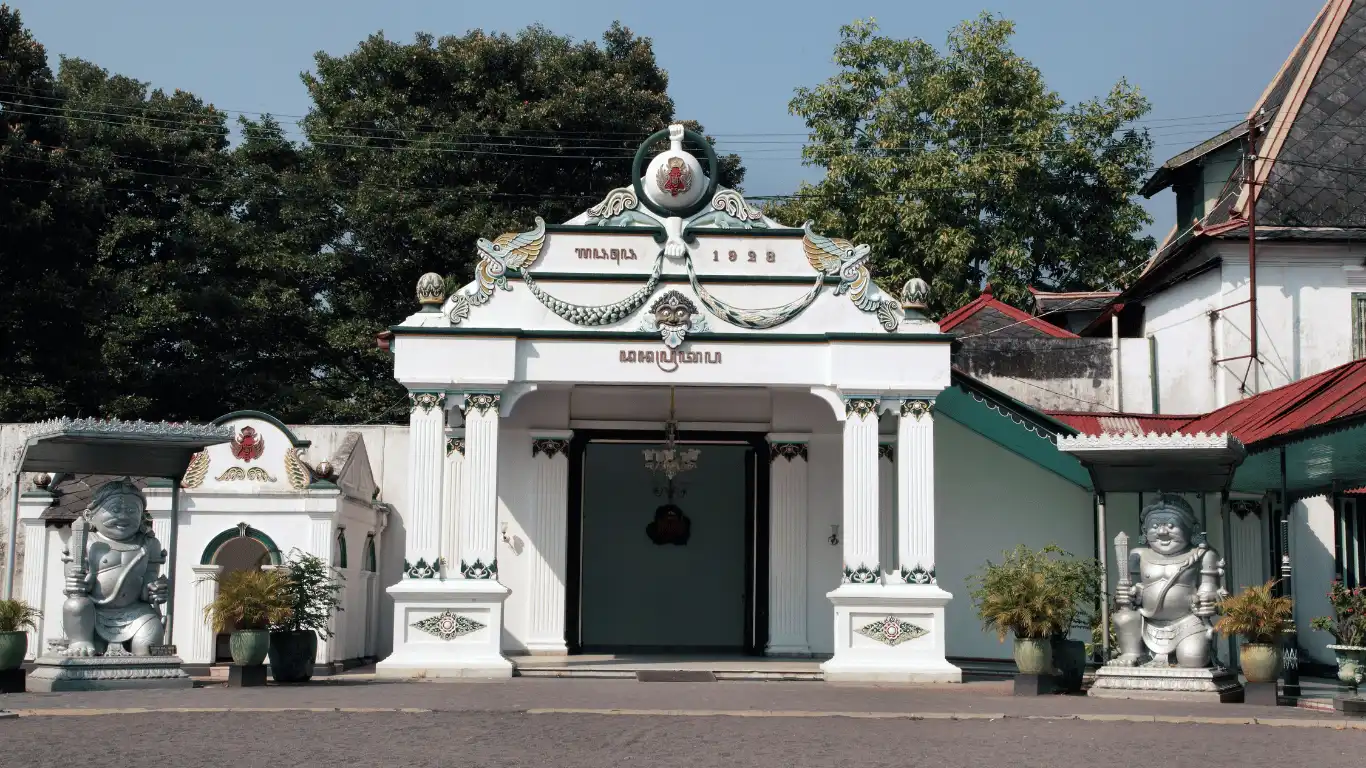
Situated at the core of an ancient region known as Mataram, the first great Central kingdom on Java, sprawling Yogyakarta (pronounced ‘Jogjakarta’; often abbreviated to Yogya or Jogja) remains a bastion of refined Javanese culture. It is the cultural attractions that draw visitors here: the sombre stillness of ancient Hindu and Buddhist temples; the sequestered courtyards of its 18th-century Islamic palaces; the traditional art interest focuses on the twin court cities, Yogyakarta and Surakarta (known as Solo), but the regions is also home to spectacular rural landscapes and memorable sights set amongst the volcanic uplands like the Gunung Lawu mountains temples.
From the 8th to the early 10th century, the fertile plains around Yogyakarta were ruled by a succession of Indianized kings – the builders of Borobudur, Prambanan, and dozens of other elaborate stone monuments. Around AD 900, these rulers suddenly shifted their capital to East Java, turning Central Java into a sleepy backwater. At the end of the 16th century, the area was revived by a new Islamic power based at Kota Gede, east of present-day Yogyakarta.
Today, Yogyakarta’s cultural attractions – ancient temples, palaces, batik, gamelan, dances and wayang puppet performances – whisk you back to a bygone era. Add in the growing popularity of nature-related activities here (caving, black-sand beaches, mountain climbing, hiking the highly-volatile Gunung Merapi volcano) and the city is now an essential stop in Java.
The Yogyakarta and Surakarta sultanates cane into being in 1755 (Perjanjian Giyanti) after a lengthy civil war. A Dutch-brokered peace treaty saw Mataram partitioned and two separate royal capitals established. These were later partitioned in turn, in part as a European tactic to further diminish their potential power. Surakarta is home to a secondary royal household, the Mangkunegaran, while Yogyakarta’s secondary court is the Pakualam – and is owrth tracking onto any trip here